 Nov, 29 2025
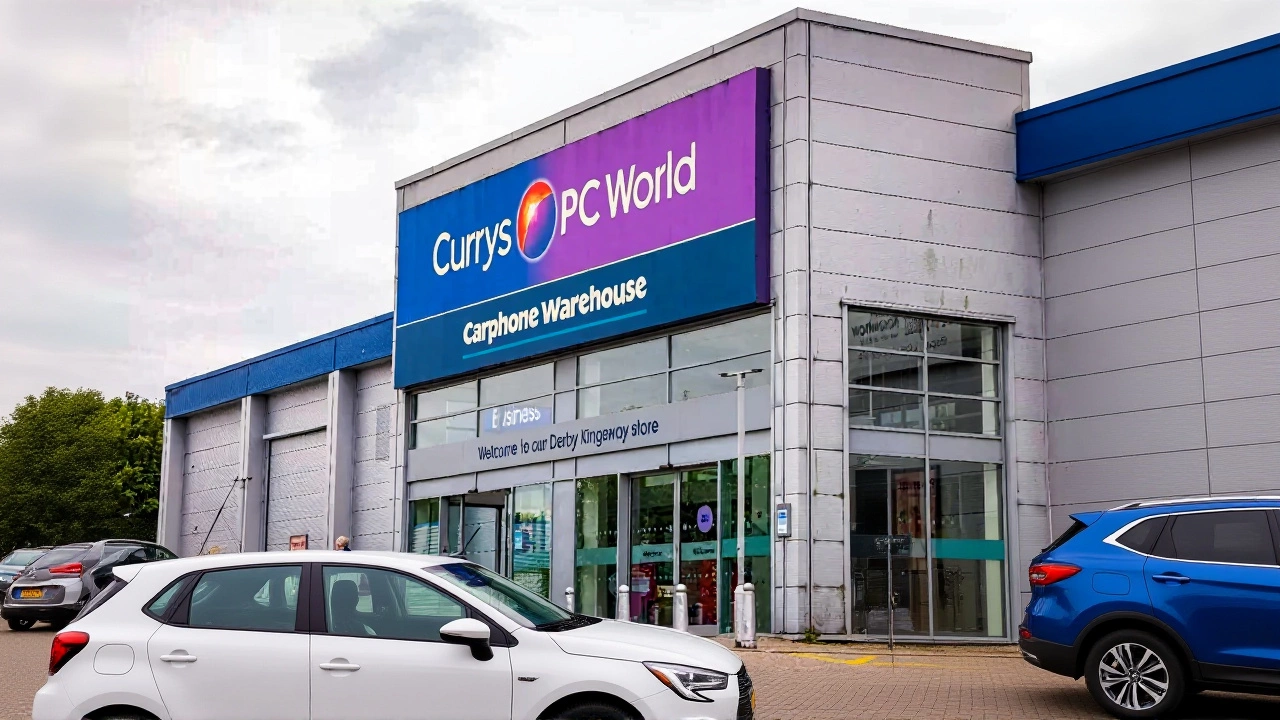
Currys PLC didn’t just report strong sales — it unleashed a financial signal that sent shockwaves through London’s investor community. On September 3–4, 2025, the UK’s largest electricals retailer announced a £50 million share buyback, effective immediately, following a dramatic reduction in its pension deficit and a 3% rise in group sales over the 17 weeks ended August 30, 2025. Shares jumped 19% to 130.08 pence, the biggest single-day gain in over two years. The move isn’t just about returning cash to shareholders. It’s a vote of confidence — from management, from actuaries, and from the market — that Currys has turned a corner after years of financial strain.
From Pension Burden to Financial Freedom
The real story behind the buyback isn’t the £50 million. It’s the £269 million that vanished from Currys’ pension deficit. Just three years ago, as of March 31, 2022, the DSG Retirement and Employee Security Scheme — the company’s defined benefit pension fund — carried a £403 million actuarial shortfall. By March 31, 2025, that number had collapsed to £134 million. That’s not a minor improvement. It’s a financial earthquake. The reason? Better investment returns, cautious liability management, and a disciplined approach to contributions. Currys had been paying £78 million annually into the fund until December 2028. Now, it’s slashing that to just £13 million per year through March 2031. And here’s the kicker: by the end of that five-year period, the scheme is expected to be fully funded — on a very conservative basis — with contributions stopping entirely. "It’s not just earlier than expected," said Panmure Liberum analyst Wayne Brown. "It’s on much better terms than we had been expecting."Sales Growth, But Not Everywhere
While the pension news stunned analysts, the sales figures told a more nuanced story. Group sales rose 3% for the 17 weeks ended August 30, 2025, with UK and Ireland like-for-like sales matching that gain. The Nordics, still recovering from years of underperformance, posted a 2% increase — a sign the turnaround is gaining traction. The growth wasn’t evenly distributed. Double-digit gains came from gaming hardware, AI-powered computing devices, large appliances, coffee machines, and cooling products. Sales of televisions, tablets, and air fryers, meanwhile, declined — a reflection of market saturation and shifting consumer priorities. "We’re seeing customers invest in experiences, not just gadgets," said Alex Baldock, CEO of Currys PLC. "B2B, services, and new categories are where the future lives."£75 Million Back to Shareholders
Currys didn’t just buy back shares. It delivered a total of £75 million in cash returns to investors this year. That includes the £50 million buyback and a £25 million dividend payout — covering both the 2024/25 final dividend and the expected 2025/26 interim dividend. The company also pledged to match shareholder returns with additional pension contributions if total returns exceed £80 million annually — or £40 million if net cash falls below £50 million. With year-end net cash projected at over £100 million, that trigger is unlikely to activate. The financial discipline here is striking. Currys still expects to spend £265 million on depreciation and amortisation, £260 million on lease payments, and £20 million in taxes. Yet it’s managing to return £75 million while keeping capital expenditure under £100 million. That’s not just sustainable — it’s exceptional in a retail sector still grappling with inflation and shifting demand.The Services Play: iD Mobile and Beyond
Currys is no longer just a store selling washing machines. It’s building a services ecosystem. The company is targeting at least 2.5 million iD Mobile subscribers by the end of the 2025/26 financial year — up from 1.8 million in 2024. That’s not just about mobile contracts. It’s about recurring revenue, customer retention, and higher margins. Services now account for nearly 18% of total group profit, up from 12% three years ago. The strategy is clear: use hardware sales to attract customers, then lock them in with services they can’t easily walk away from. It’s the same playbook Apple and Amazon use — and now, Currys is playing it with precision.
What’s Next?
The next big milestone arrives on December 18, 2025, when Currys releases its interim results for the 26 weeks ending November 1, 2025. That report will include updated profit forecasts after the crucial Christmas trading period. Analysts remain confident in the £170 million adjusted pretax profit target — a 3.1% increase from £162 million in 2025. But the real question isn’t just about profit. It’s about momentum. Can Currys sustain this pace through 2026? Can it keep growing services while managing inventory in a volatile market? The pension turnaround gives it breathing room. The sales growth gives it credibility. And the £75 million return to shareholders? That’s the market’s way of saying: we believe you.Background: The Long Road Back
The DSG Retirement and Employee Security Scheme has been closed to new members since 2002 and stopped accruing new benefits in 2010. But the liabilities didn’t disappear — they lingered, weighing on investor sentiment and limiting strategic flexibility. For years, Currys was seen as a company in transition — stuck between legacy obligations and the need to modernize. The 2025 pension review changed that narrative. The company’s annual report, published in late July 2025, showed the scheme’s assets at £931 million against liabilities of £1,033 million on an IAS19 basis — still a deficit, but a manageable one. That’s a far cry from the £403 million hole just three years ago. The reduction wasn’t luck. It was discipline. Better asset allocation. Lower inflation assumptions. And a willingness to make tough calls.Frequently Asked Questions
How does the pension deficit reduction affect Currys’ ability to invest in growth?
By cutting annual pension contributions from £78 million to £13 million over five years, Currys frees up over £65 million per year in cash flow. That money can now be reinvested into services, technology, and store upgrades — or returned to shareholders. The company’s ability to maintain capital expenditure under £100 million while returning £75 million in cash proves the financial flexibility gained from the pension resolution.
Why did Currys’ shares jump 19% after the announcement?
Investors reacted to two signals: first, the pension deficit had shrunk far faster and more dramatically than expected — reducing long-term risk. Second, the £50 million buyback combined with the £25 million dividend showed Currys could generate strong cash flow without compromising its balance sheet. The market interpreted this as proof the company had finally stabilized its core finances.
What’s driving sales growth in Currys’ UK and Ireland division?
Growth is concentrated in high-margin, high-demand categories: gaming consoles and accessories, AI-powered PCs, large appliances like refrigerators and washing machines, premium coffee machines, and cooling products. These items carry better margins than TVs and tablets, which are declining due to market saturation. Currys is winning market share by focusing on tech that integrates into daily life — not just one-time purchases.
Is the £75 million in shareholder returns sustainable?
Yes — for now. Currys expects year-end net cash to exceed £100 million after all payments. With depreciation and lease costs stable, and pension contributions falling sharply, the company can maintain this payout level through 2026. But sustainability depends on continued sales growth in services and stable margins. A major economic shock could force a reassessment — but for now, the runway is clear.
What role does iD Mobile play in Currys’ future?
iD Mobile is Currys’ most important recurring revenue engine. With 1.8 million subscribers in 2024, hitting 2.5 million by 2026 would add over £50 million in annual service revenue at healthy margins. It turns customers from one-time buyers into long-term subscribers, reducing churn and increasing customer lifetime value. It’s also a powerful tool to compete with Amazon and Apple’s ecosystem strategies.
When will we know if Currys’ full-year profit target is on track?
Currys will release its interim results for the 26 weeks ending November 1, 2025, on December 18, 2025. That report will include updated profit guidance after the critical Christmas sales period. Analysts will be watching not just the numbers, but whether the growth in services and B2B sales continues — and whether the Nordics can sustain their recovery.